

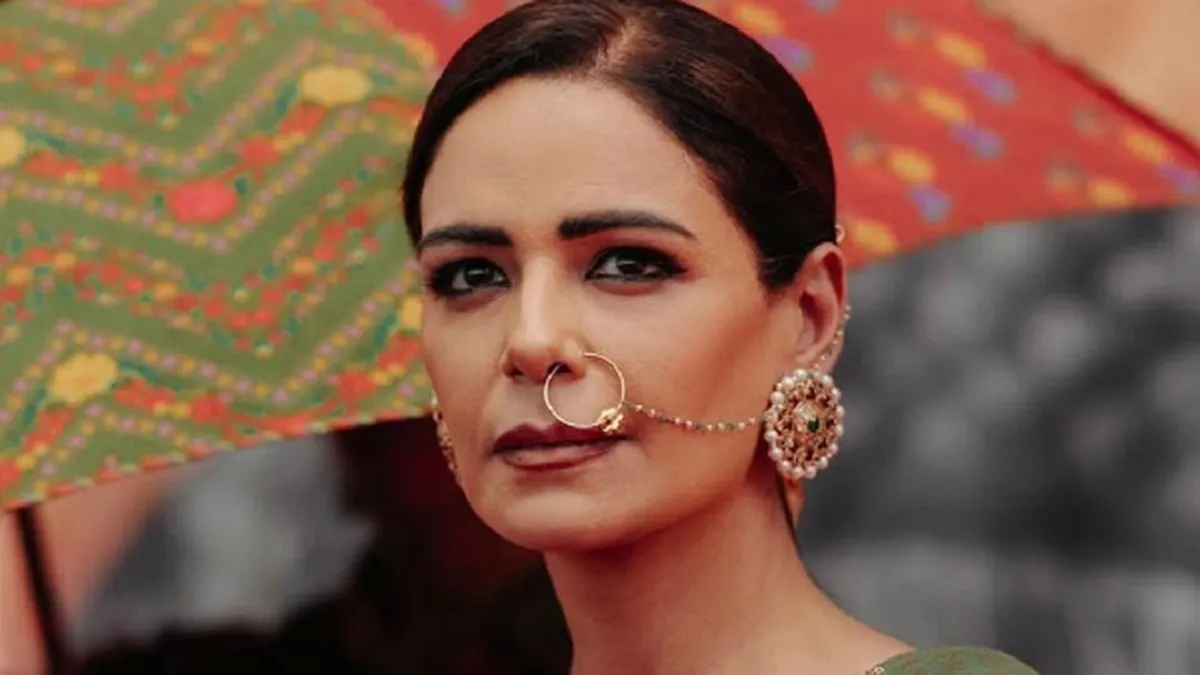

In a candid conversation, Mona Singh looked back at the moment that changed her life: choosing to play the role of Jassi. At a time when new actresses were expected to debut looking conventionally glamorous, Mona’s decision felt like a quiet rebellion. That choice not only made her a household name but also shifted how television audiences and the industry looked at leading ladies.
Choosing Jassi: a deliberate risk
Mona Singh said playing Jassi was a bold move. Instead of following the usual script—where debutantes were dolled up to fit a narrow idea of glamour—she embraced a character whose appeal came from authenticity, vulnerability and intelligence rather than stylized beauty. That willingness to take an unconventional path paid off, turning a newcomer into one of the most recognisable faces on Indian television.
Why it mattered then
- Industry expectations: At the time, production houses often preferred fresh faces who fit a glossy, mainstream image. Mona’s choice challenged that norm.
- Audience connection: Viewers connected with a character they could relate to—an ordinary woman facing real-life struggles—rather than a polished, distant screen persona.
- Career risk: Playing against the expected typecast can sometimes limit future offers. For Mona, it instead opened new doors and established her credibility as a performer.
The X-factor she brings to every role
Mona has long been praised for bringing an unmistakable X-factor to her projects. It’s not just about a single performance; it’s a consistent quality she carries into each role—be it in television, films or digital platforms. Her ability to inhabit characters with sincerity, timing and warmth has become her trademark.
Elements of her screen presence
- Natural relatability that helps characters feel lived-in
- Strong comic timing when required, balanced by emotional depth
- A willingness to experiment with roles outside mainstream glamour
How Jassi shaped her career and popular culture
The success of the Jassi character changed Mona’s professional trajectory. What started as a surprising debut turned into an enduring identity that granted her both popular acclaim and critical attention. Beyond awards and ratings, the show helped broaden conversations about on-screen representation—making space for women who didn’t conform to conventional beauty standards to be celebrated as leads.
Long-term impact
- Created a template for stories focused on character and narrative over glossy presentation
- Encouraged creators to cast actors for authenticity and talent, not just looks
- Inspired younger performers and audiences to challenge narrow norms of stardom
Why the choice still matters today
In an era when content spans television, film and streaming, the question of how women are presented remains relevant. Mona’s early decision to play a non‑glamorous lead feels especially modern now—audiences continue to value realism and layered characters. Her reflection in the interview is a reminder that taking creative risks can lead to lasting influence, not just short-term visibility.
Ultimately, Mona Singh’s career after Jassi illustrates how authenticity can become an actor’s greatest asset. By choosing a role that defied expectations, she didn’t just launch herself into stardom—she helped nudge the industry toward more inclusive storytelling. That remains a meaningful part of her legacy as she continues to pick roles with the same thoughtful intent and unmistakable X-factor.