

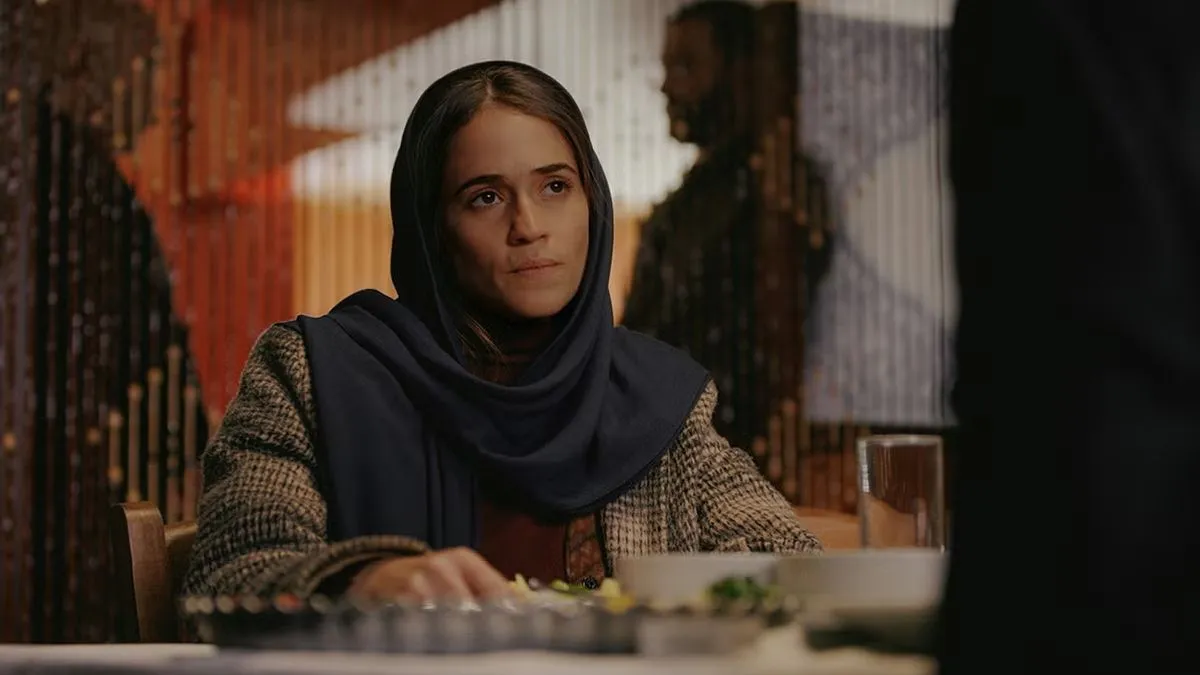

High-stakes spy drama returns with fresh danger
Apple TV+’s Tehran heads into its third season with the same pulse-quickening energy that made it a hit. The series continues to follow Mossad operatives and their risky cyberespionage work, but Season 3 widens its canvas — moving between Tehran’s tense streets and shadowy international arenas. Loyalty, danger and political tension remain at the heart of the show, driven by smart plotting and strong performances.
What this season explores
- The cyber front: Season 3 leans heavily into cyberespionage, showing how modern spycraft relies as much on keyboards as on guns. The tech sequences feel credible and urgent, and the show does a good job of turning abstract hacking into gripping drama.
- Shifting loyalties: Characters are tested in new ways. Friends and allies change their shapes, and trust is expensive. The emotional cost of undercover work gets plenty of screen time.
- Political stakes: This season ties local actions to global consequences. Political tensions ripple outward, affecting alliances and forcing characters to choose between mission and conscience.
- Personal fallout: Beyond the operations, the series stays interested in the human damage of espionage: fractured relationships, moral compromises and the loneliness that comes with a life of secrets.
Lead performance and supporting cast
Niv Sultan returns as the central force of the show, carrying a complex mix of courage, vulnerability and cunning. Her performance anchors the series — you feel the strain of every choice she makes. Familiar faces from earlier seasons add depth, while a few new players bring fresh unpredictability. The ensemble works well together, and their chemistry makes the dangerous world feel lived-in and believable.
Style, pacing and production
The production keeps a cinematic feel. Tight editing, atmospheric lighting and smart location work create a believable Tehran environment, even as action moves beyond Iran’s borders. Pacing varies intelligently: quieter, character-driven scenes are balanced with adrenaline-charged operations. Music and sound design heighten tension without ever becoming overbearing.
Why it connects with viewers now
Tehran Season 3 resonates because it reflects real anxieties about cyber warfare, surveillance and geopolitical friction. The show doesn’t spoon-feed answers; instead it raises ethical questions about how far a state should go in the name of security. That moral gray zone — paired with human stories — makes the series feel timely and relevant.
What fans and newcomers should expect
- More complex missions that span continents.
- Emotional stakes that rival the physical danger.
- A sharper focus on cyber tactics and their consequences.
- Plot twists that reward close attention.
Is it worth your time?
If you like tense political thrillers with smart character work, Season 3 delivers. It’s not just action for action’s sake — the writing makes the espionage matter on a personal and political level. For viewers who enjoyed the earlier seasons, this feels like a natural, elevated continuation. For newcomers, it’s a dense, engaging ride that might prompt you to catch up on what came before.
Final note
Tehran Season 3 proves that spy dramas can still feel fresh when they mix modern cyber threats with classic questions of loyalty and sacrifice. The show remains compelling because it balances edge-of-your-seat moments with quiet human scenes, giving weight to both the mission and the people who carry it out.