

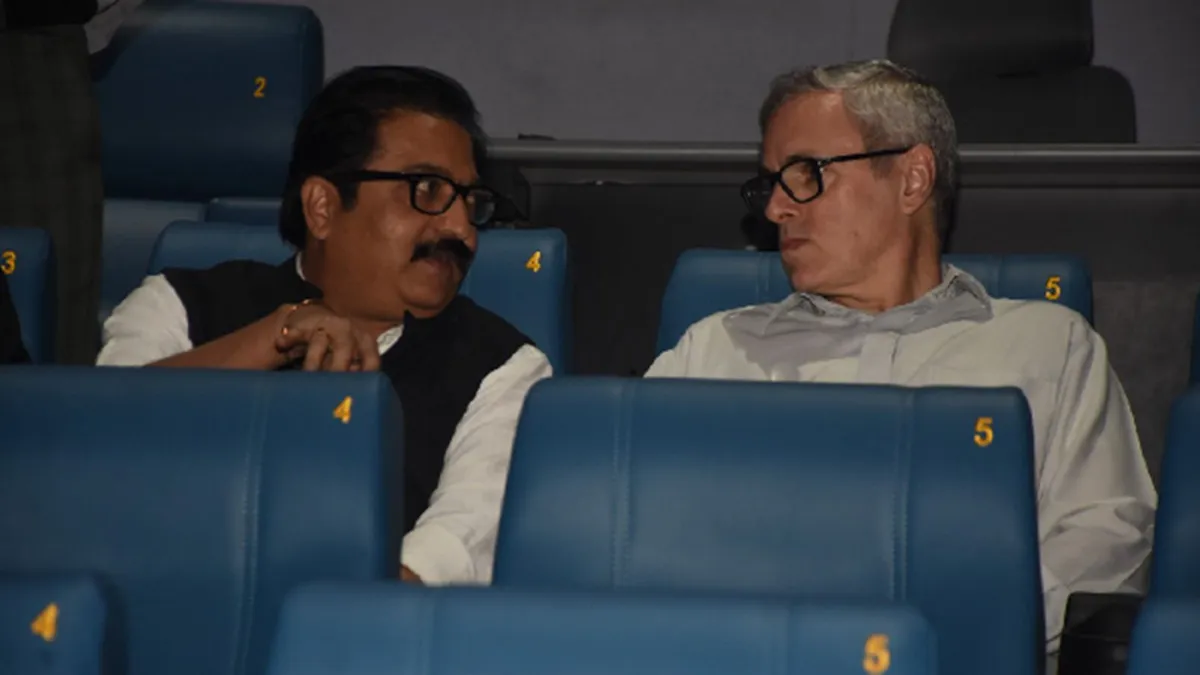

January 15 saw the Hon’ble Chief Minister of Jammu & Kashmir, Omar Abdullah, visit the Indian Institute of Creative Technologies (IICT) campus at the National Film Development Corporation (NFDC) in Mumbai. The purpose was clear: to explore institutional collaboration focused on film education, creative technologies, and capacity building to help revive the film industry in Jammu & Kashmir.
Why this visit matters for Jammu & Kashmir cinema
The region has immense storytelling potential—stunning landscapes, rich culture and untold human stories. But to turn that potential into a sustainable film ecosystem, practical steps are needed. Omar Abdullah’s visit to the IICT at NFDC signals a move toward building real infrastructure for training, technology transfer and industry linkages that can empower local filmmakers and technicians.
What IICT and NFDC bring to the table
The IICT campus at NFDC is known for combining creative training with modern technology. For Jammu & Kashmir, collaboration with this institution could mean:
- Structured film education—diploma and certificate courses in direction, cinematography, editing and production design.
- Access to creative technologies—training in post-production, VFX, sound design and digital distribution tools.
- Industry exposure—workshops, masterclasses and internship opportunities with established filmmakers and technicians.
Possible areas of collaboration
During exploratory visits like this, several practical avenues typically come up. For Jammu & Kashmir and IICT/NFDC, these might include:
- Joint training programs and short-term courses tailored for local youth.
- Faculty and student exchanges to build capacity quickly.
- Mobile workshops and filmmaking camps in J&K to scout and mentor talent on location.
- Support for regional storytelling through script labs and production grants.
- Technical assistance in setting up local post-production and sound studios.
How this could help revive the local film industry
Revival isn’t just about making a few films. It’s about building an ecosystem where stories get made consistently and skill sets are retained locally. Some concrete benefits could be:
- Employment generation—trained technicians, production crews and creative professionals can find steady work.
- Capacity building—local institutions and talent grow stronger through continuous training and industry links.
- Promotion of regional narratives—films rooted in J&K’s culture and landscape gain better chances of production and distribution.
- Boost to local economy and tourism—film shoots and festivals attract attention and spending to the region.
What to expect next
At this stage the focus is on dialogue and planning rather than immediate announcements. Realistic next steps typically include formal meetings, feasibility studies, pilot programs and then possible memorandums of understanding (MoUs) to lay out roles, funding and timelines. If those moves follow, we could see short courses, exchange programs and production support rolling out over the coming months.
A hopeful moment for regional cinema
Omar Abdullah’s visit to the IICT campus at NFDC is a positive signal that Jammu & Kashmir is aiming to rebuild its creative industry with expert partnerships. For Bollywood and independent filmmakers alike, strengthening regional hubs creates new stories, fresh talents and meaningful collaborations. If plans move ahead thoughtfully, J&K could once again become a vibrant filmmaking destination—this time with sustainable structures to back its talent.